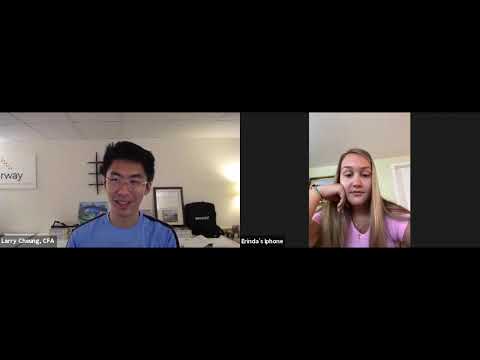
 ↗ Interview / audio
Erinda Kono
1300 SAT → 1430 SAT
Starting context: 1300 SAT
Erinda often ran out of time before completing a section.
Read the storyThe Grandmaster Method
Understand the work. Check whether it actually stuck. Next actions tied to what the student actually demonstrated—in Digital SAT, academics, activities, college planning and essays.
Good coaching looks beyond completion. It considers how a student approached the task, which idea broke down and what evidence would change the next decision.
Understand the constraint. Focus the work. Learn and apply. Check what carries forward. The seven-stage loop makes those responsibilities concrete.
Start with the attempt, the reasoning and the conditions. Time pressure, a missing concept and a misread question need different responses.
Erinda’s 1300 SAT → 1430 SAT story describes working through time pressure.
Build on what is working and choose the next constraint deliberately. The student should understand why this work matters now.
Nina’s 1500 SAT story describes different strengths in mathematics and reading comprehension.
Explain the concept, model the thinking and invite the student to show where it stopped making sense.
Zoey’s English-language journey connects an 1100 PSAT starting point with a later 1480 SAT.
Choose purposeful work and keep the reasoning beside the answer. The attempt matters as much as the total.
Adithi’s final 1500 SAT account also describes managing preparation during junior year.
Ask what the student can do on a new attempt. Finishing a task is useful; understanding needs its own demonstration.
Sarah’s published record distinguishes a 1440 PSAT from her later 1550 SAT.
Revisit the idea in later work. An explanation becomes useful when the student can use the idea again.
Dusu’s long-duration account ends with a reported 1400 SAT superscore.
Keep what helps, change what does not and connect the next priority to the student’s wider school life.
Ray’s 1300 SAT → 1500+ SAT story also includes public speaking and DECA leadership.
Erinda describes time pressure. Zoey describes learning in English. Dusu describes sustained preparation. These student accounts show why a single generic prescription is not enough.
↗ Interview / audioErinda Kono
Starting context: 1300 SAT
Erinda often ran out of time before completing a section.
Read the story ↗ Interview / audio
Zoey Huirong Zeng
Starting context: 1100 PSAT
Early PSAT results discouraged Zoey, who learned English as a second language.
Score report insideRead the story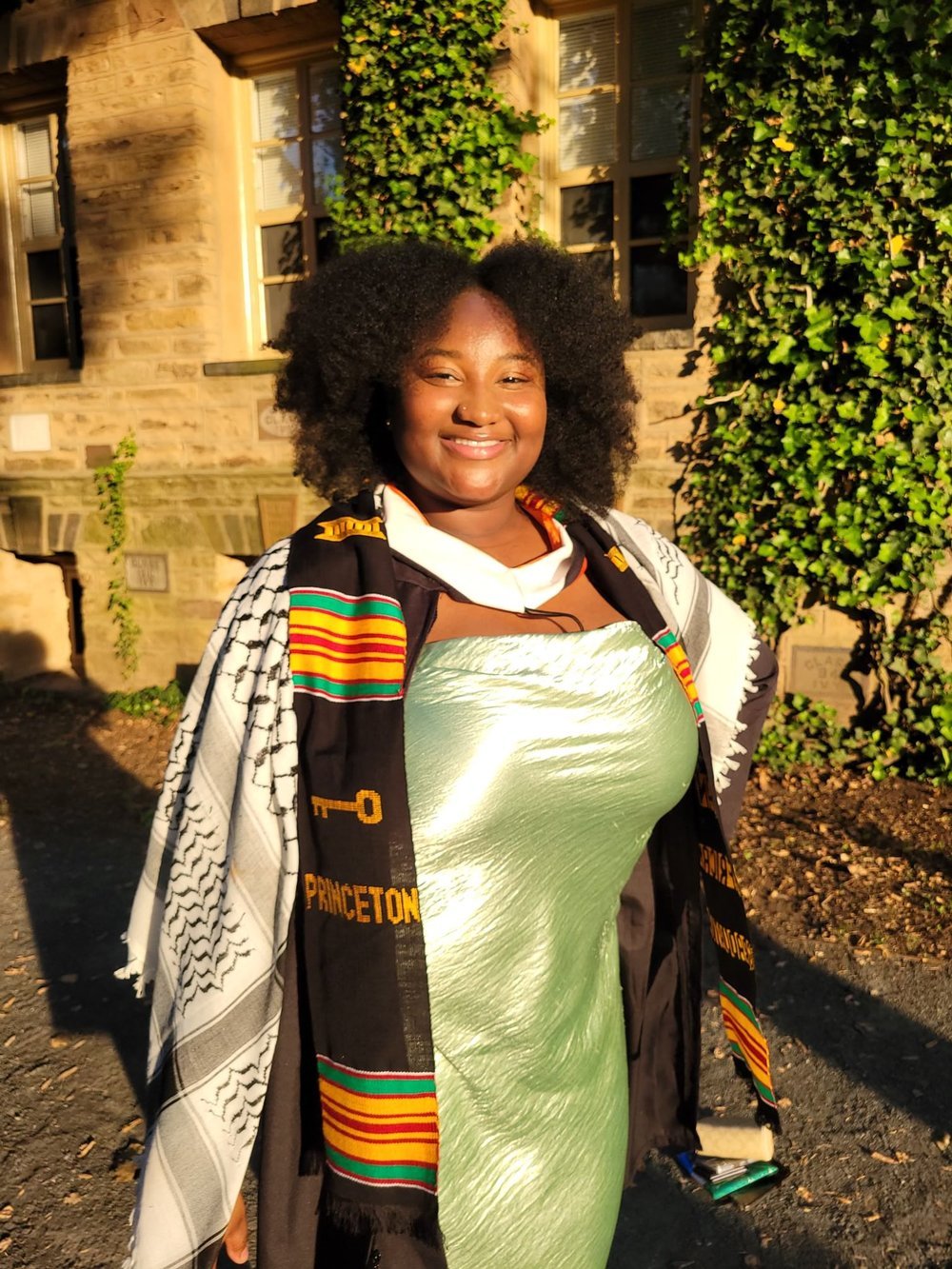 ↗ Interview / audio
Dusu Sidibay
Dusu found standardized testing difficult and stayed with the work over time.
Score report insideRead the storyThe question, student response, reasoning and later check can stay connected. A student can return to the explanation and see why the next piece of work matters.
StudentOS carries the methodology forward. Human teaching and judgment add perspective where useful, without making a recurring session the prerequisite for progress.
StudentOS connects the learning cycle. Private Coaching adds high-touch 1:1 online instruction; Guided StudentOS offers a lighter support conversation. The goal is increasing student independence, with the amount of help responsive to the work.
Start with the score context and the student’s actual work.
Ask what the evidence suggests and what remains uncertain.
Give the next task a reason and a realistic share of time.
Use a clear explanation; bring in human instruction when useful.
Try the idea in a new problem, passage or piece of writing.
Keep the student’s reasoning beside the answer.
Look for independent use on a fresh check.
Preserve the useful context for a later return.
Let later evidence change the next priority.
Talk through where your student is starting, what is getting in the way and how the Tigerway program could fit the next stage.