Think mathematically.
Translate a problem, choose a useful model and explain why the steps make sense.
TIGERWAY / DIGITAL SAT
Prepare for the Digital SAT with instruction built around the evidence: what your student knows, where reasoning breaks down and how preparation fits the time available. Private Coaching is our flagship human-supported offer; Digital SAT is the deepest measurable learning example inside StudentOS.
Digital SAT preparation gives the work a measurable focus. The deeper aim is stronger reasoning, clearer communication and more intelligent use of time.
Translate a problem, choose a useful model and explain why the steps make sense.
Find the evidence, test an inference and stay with a difficult passage.
Build an argument, use precise language and explain the reasoning in your own words.
Choose what deserves attention, protect useful work and return to the evidence.
Serious preparation means more than repeating tests. Work on the reasoning that makes the next unfamiliar problem or passage more manageable.
Algebra, advanced math, functions and modeling, geometry and trigonometry. Translate language into a mathematical setup, explain the steps and test independent transfer.
Comprehension, textual evidence, inference, vocabulary in context, grammar and rhetorical synthesis. Practice analytical writing, argument and explanation—not just recognizing an answer.
Digital SAT is the deepest measurable implementation of the StudentOS learning loop. The aim is stronger reasoning that carries into the next unfamiliar task.
Explore named student accounts, their test context and the way their learning developed. The complete Results archive lets you look beyond one headline.
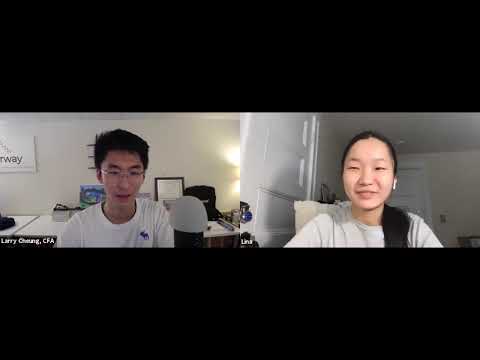 ↗ Interview / audio
Lina Zhang
Starting context: Earlier high 1400s SAT during preparation
Lina’s mathematics was strong; English was the constraint.
Score report insideRead the story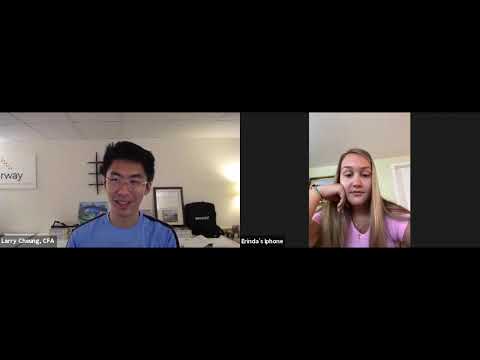 ↗ Interview / audio
Erinda Kono
Starting context: 1300 SAT
Erinda often ran out of time before completing a section.
Read the story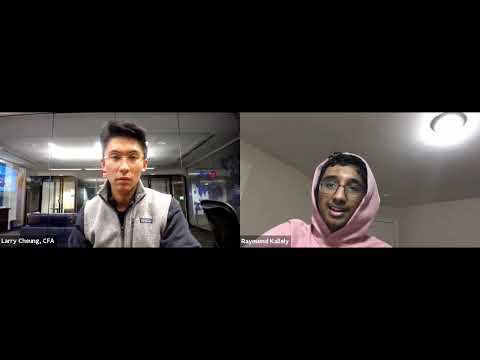 ↗ Interview / audio
Ray Kalleley
Starting context: 1300 SAT
Ray was balancing testing, schoolwork and leadership ambitions.
Read the story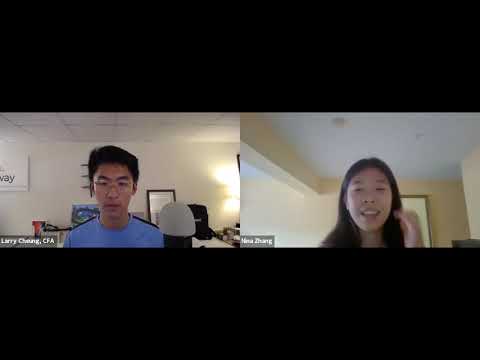 ↗ Interview / audio
Nina Zhang
Nina felt more comfortable in mathematics than reading comprehension.
Score report insideRead the story
Sarah Yang
Starting context: 1440 PSAT
Sarah’s story followed the work from junior-year PSAT to senior-year SAT.
Score report insideRead the story ↗ Interview / audio
Vanessa Yong
Vanessa faced procrastination, inefficient study patterns and testing stress.
Score report insideRead the story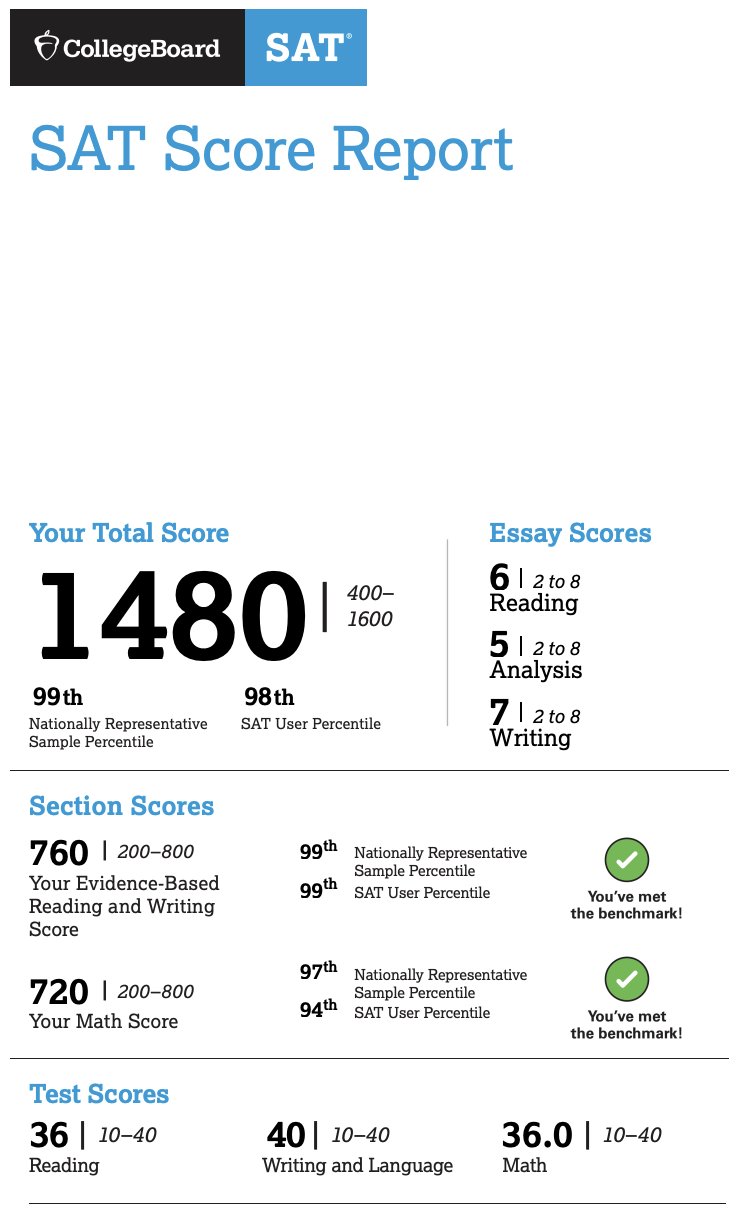
Original score report · personal details removed.
Read the full story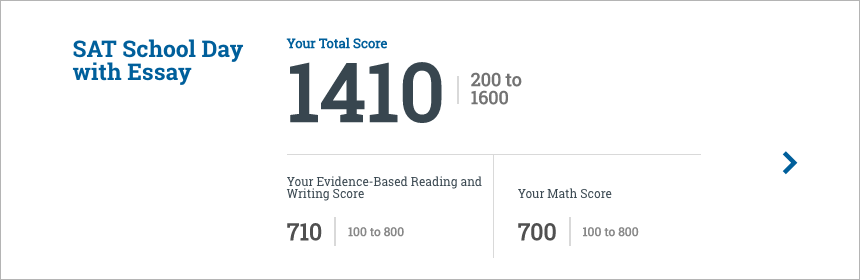
Original score report · personal details removed.
Published SAT School Day with Essay result. Earlier PSAT conflicts with the interview baseline.
Read the full story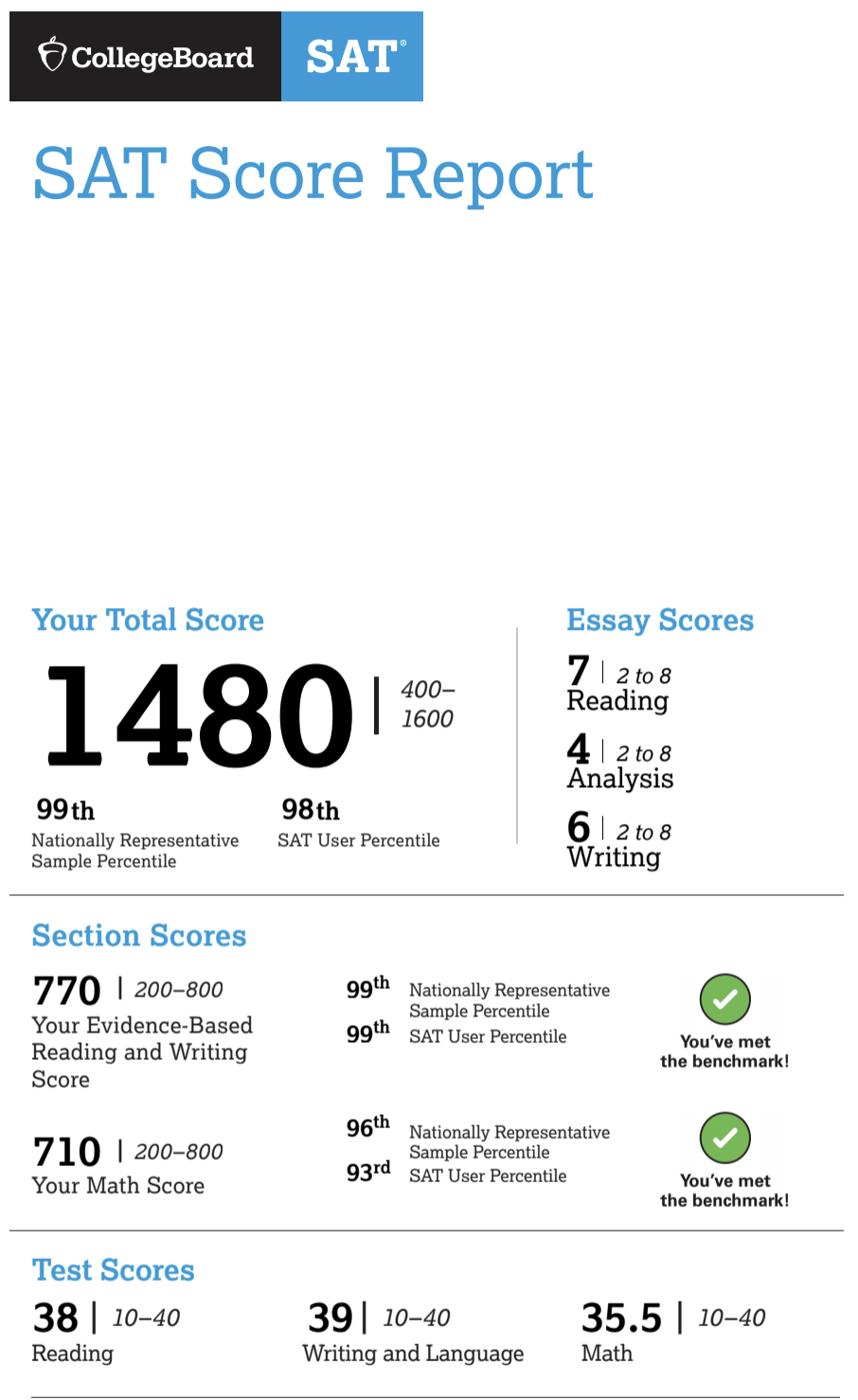
Original score report · personal details removed.
Read the full story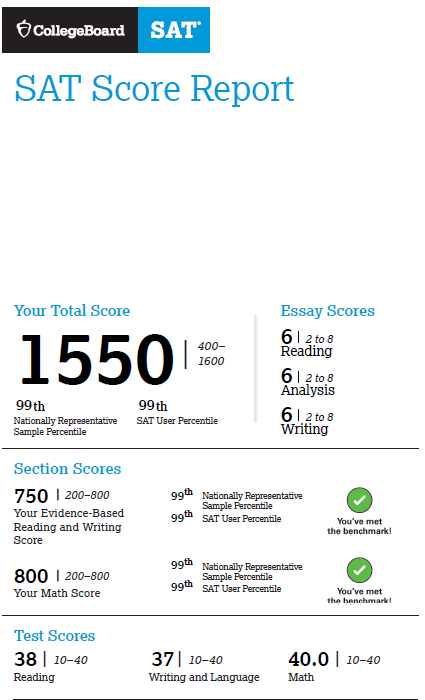
Original score report · personal details removed.
Read the full storyA wrong answer can come from a missing concept, a misread prompt or time pressure. Keep the reasoning beside the answer, try focused work and return to a fresh question. Human help is available when the next step needs a conversation.
The learning cycle connects focused work with a later check, even without a recurring live session. A later attempt can show what transferred and where the next priority belongs.
Start with the score context and the student’s actual work.
Ask what the evidence suggests and what remains uncertain.
Give the next task a reason and a realistic share of time.
Use a clear explanation; bring in human instruction when useful.
Try the idea in a new problem, passage or piece of writing.
Keep the student’s reasoning beside the answer.
Look for independent use on a fresh check.
Preserve the useful context for a later return.
Let later evidence change the next priority.
StudentOS connects questions, answers and reasoning to focused practice and a later check. The useful result is a better next decision, not simply a longer practice history.
3,867 questions eligible for practice, within a preserved collection of 5,761 question records.
About the question bankAssignments, reasoning, assessment history and goals share a record. SAT, PSAT and practice results keep their labels; a target stays an aspiration.

The words of students and families, shared in their five-star reviews.
“My child felt he could connect well with a recent college student.”
“They were able to help me with my college application and personal essay.”
“They work personally with individuals, and you can tell the instructors are passionate.”
“Tigerway Test Prep is an amazing SAT prep class.”
“It’s definitely one of the best decisions I’ve made so far!”
“The program is intense, but extremely rewarding.”
Everyone has a different responsibility. The record makes it easier to discuss the same work and the same next step.
See the next priority, explain the reasoning and return to feedback without retelling the whole story.
Authorized guardians see the shared plan and permitted progress summary. Private journals, raw reasoning and staff notes remain separate.
Human teaching can start from the student’s actual work, with room to explain, discuss and revisit.
Schoolwork, activities and the decisions ahead already shape the student’s week. StudentOS gives them a place beside the SAT record.
Keep native school records, subject plans, activities and profile evidence connected. Goals and priorities can reflect the whole school year.
Keep college research, story-bank notes, essay drafts, revisions and human feedback together as preparation develops.
Track plans, checklists and application deadlines. Application preparation supports the student’s decisions; submission remains with the student and family.
A shared test does not make every student’s curriculum the same. StudentOS preserves native terms and supplied marks; it does not manufacture academic equivalencies.
Keep school coursework, AP planning and school marks in their original context.
Keep subject planning and school percentages in their original context, without converting them into US grades.
Retain 1–7 marks and subject levels so the original academic context stays visible.
Talk through where your student is starting, what is getting in the way and how the Tigerway program could fit the next stage.